

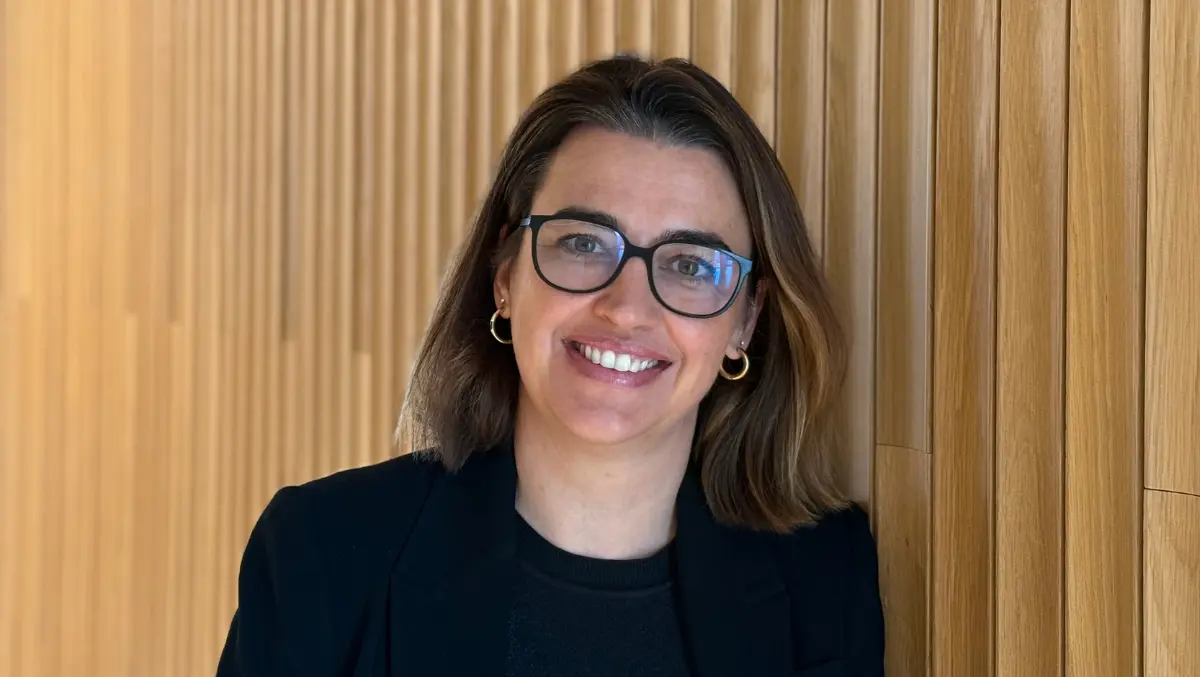
Building payments that work for everyone: Why diverse teams are the key to secure innovation
Wed, 4th Mar 2026
My journey in fintech has taught me something fundamental about leadership - the best solutions emerge when you surround yourself with people who think, act and feel differently than you do. Being one of the few women in the room early in my career, I noticed how easily we gravitate toward voices that sound like our own, people who have similar backgrounds or communication styles. It can feel comfortable and familiar, but that unconscious bias means we miss out on other perspectives. That realisation has shaped how I build teams and approach the complex challenge of creating payment systems for the real world.
In payments, security is foundational. There's no greater responsibility than moving someone's money safely from A-to-B. Yet consumers increasingly expect transactions to feel instant, effortless and invisible. For years, these two imperatives seemed at odds - secure-by-design versus pay anywhere, anytime. What excites me now is how rapidly that tension is dissolving. Mobile payments, biometrics, tokenisation with domain controls and centralised digital identity systems are forming the backbone of experiences that meet the expectations of a rapidly digitising world without compromising protection.
Across the region, I see this transformation playing out in diverse ways. In Singapore, a strong rewards-led culture means consumers rotate among multiple cards to maximise offers. In Hong Kong and much of East and Southeast Asia, QR-based payments are table stakes. Despite these regional differences, there's a common thread - a shift to mobile-first behaviour. By 2027, digital wallets are expected to account for more than two-thirds of point-of-sale payments across APAC. Payments are becoming more personalised, more contextual and increasingly invisible to consumers.
This is precisely where diverse teams become essential as a strategic imperative to power that innovation.
Research from the International Monetary Fund examining why it failed to foresee the Global Financial Crisis found that its teams had remarkably similar backgrounds, education and lived experiences. This homogeneity created blind spots that contributed to groupthink. When everyone at the table looks and thinks the same way, you limit your ability to spot risks, challenge assumptions and see opportunities from a full 360-degree view.
Payments are no different. Women represent a significant share of global payment users yet have historically been under-represented in designing the very systems that serve them. Unless your team mirrors the diversity of your customer base, you can't build the empathy or nuanced understanding needed to create inclusive, secure products that work for everyone. Different perspectives lead to better fraud models, more inclusive biometrics, more intuitive user journeys and fewer blind spots.
This is why psychological safety matters in my own leadership journey. People do their best work when they feel trusted, supported and able to challenge ideas without fear. That early feedback loop, where someone speaks up because something doesn't look right, is what keeps secure-by-design robust as we scale. I consider my primary role as a leader is to remove barriers so talent can get into their flow state, even when life is complicated or messy.
One mantra I hold close is "strong opinions, weakly held." Leaders need conviction, but I'm always looking for teammates who'll pressure-test ideas, offer new perspectives and push us toward better outcomes. The balance between innovation and security isn't a trade-off; it's a collaboration. The best ideas come from teams who build with each other, not after each other.
To aspiring women leaders in fintech, my advice is simple - do the thing. If you see a product gap or an opportunity to innovate, don't wait for permission or walk by. Talk to your engineering, fraud and compliance partners early. Sketch a mock-up and show what's possible, your voice matters. The more you understand your stakeholders, especially those who own risk, security, and trust - the faster you can turn a good idea into a safe, scalable product.
There will always be reasons not to push forward: competing priorities, fear of being wrong, the weight of existing workloads. Put yourself out there anyway. Win, learn, iterate, fail and enjoy the ride. Security-led innovation may look harder from the outside, but it's where the most meaningful opportunities live. When you build something with the customer at its core, people remember it.
Increasing female leadership in fintech isn't just about representation. It's about strengthening our collective ability to anticipate risk, build trust and design experiences that meet real-world needs. Diverse teams don't just make better decisions; they help us think like our customers, challenge our blind spots and ultimately build payment ecosystems that truly work for everyone.