

The human side of being future ready
Wed, 19th Aug 2026
What does it really take for an organisation to be cyber ready for the future?
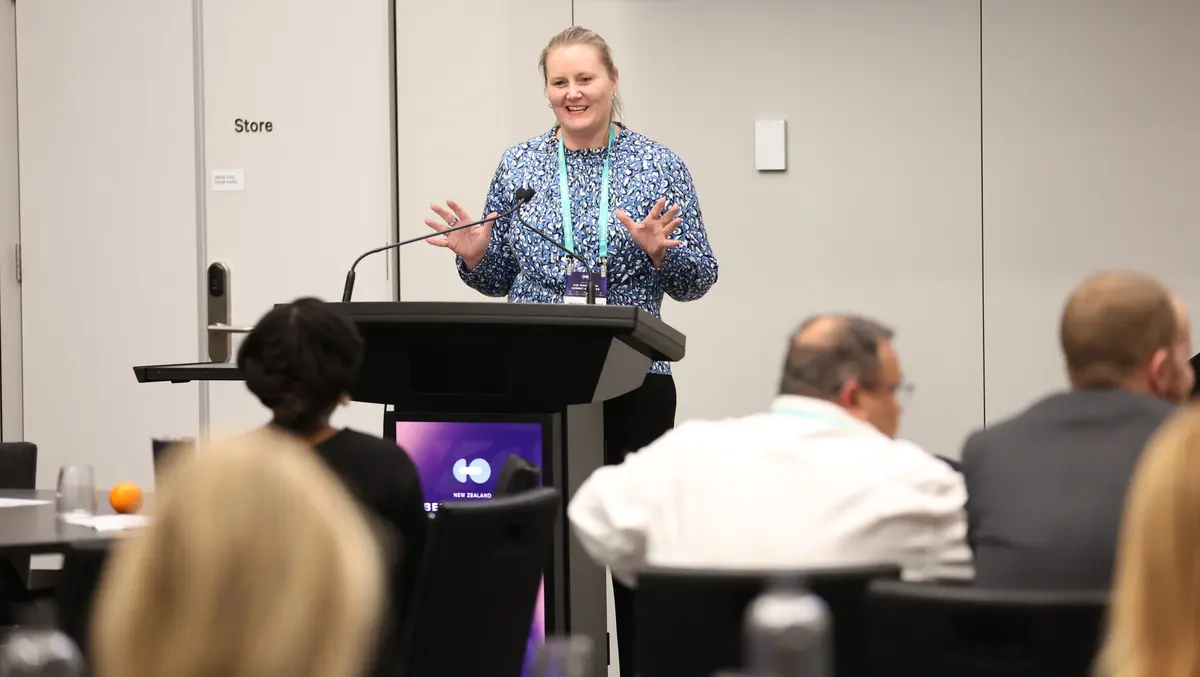
Speaking at the recent Cyber Security Risk Conference, keynote speaker Melissa Crawford believes the answer starts with understanding people: their motivations, psychology and why they behave the way they do.
As Director of Tech with Heart, Melissa works at the intersection of future technology and people psychology, helping organisations develop the foresight to prepare for what is ahead. Her background spans strategy, leadership, HR, IT and project management, bringing together both the technology and human sides of organisational change.
Knowing does not always mean doing
Melissa challenged a common assumption about workplace behaviour: if people know better, they will do better.
We know we should exercise more, eat better and get more sleep. Knowing that does not necessarily change our behaviour. The same applies at work. Employees can complete training, understand policies and know what they are supposed to do, yet still make different choices when workload, competing priorities, habits and pressure get in the way.
Melissa framed behaviour around three factors: capability, opportunity and motivation.
While organisations often focus on capability through training and education, opportunity and motivation are equally important. It is not enough to ask whether people know what to do. Leaders also need to ask whether the environment makes it easy to do and whether people understand why it matters to them.
This is where "what's in it for me" becomes important.
Melissa shared an example of training a C-suite executive who had little interest in technology. By connecting the training to his passion for horse breeding, she found a way to teach the same skills through something that excited him – his horse breeding program.
Understanding what matters to people can help change behaviour.
From knowing to doing
This gap becomes particularly important when the consequences of behaviour are significant.
Research conducted by Crayon (2025) found that while 83% of employees believe they can recognise suspicious digital activity such as phishing, only 29% said they had actually reported it when they encountered it. A further 58% said they would not know exactly what to do if their organisation suffered a cyber attack.
There can be a significant gap between knowing, doing and speaking up.
At the same time, employees are dealing with an ever-increasing flow of information across email, Teams, Slack, social media and competing demands. Under pressure, people can become more inclined to rely on fast, automatic decision-making rather than slower, deliberate thinking.
For leaders, this raises an important question: are we designing systems and processes around how we wish people would behave, or around how people actually behave?
The power of context
Melissa's concept of shared situational awareness offers one answer.
She shared an example of a technology leader who told their organisation that it had blocked 2.4 million attacks in a single month, then explained how employees had helped. Rather than simply giving people another training requirement, the organisation gave them context. Employees could see the scale of what was happening and understand the role they played.
It challenges the persistent myth that transparency creates panic. Done well, giving people the right information and context can help them understand a situation and avoid disaster.
This is particularly relevant for finance leaders navigating AI, transformation, risk and uncertainty.
Understanding resistance
When organisations introduce a new process, system or technology, resistance is often treated as a problem to overcome. Melissa offered a different perspective:
"People do not resist change, they resist loss."
Understanding what people fear losing can reveal the real concern behind their resistance. Are they genuinely sceptical about AI's capabilities, or are they worried about their jobs?
The distinction matters. Addressing the underlying concern is more useful than simply trying to convince people that change is necessary.
Ultimately, being future ready is not simply about having the right technology. It is about preparing people to think critically, challenge assumptions, communicate openly and make good decisions when the answers are not always obvious. Challenge AI's sycophantic behaviours. Ask it to identify blind spots, question assumptions and reveal what is missing.
A closing question for leaders
And in closing, perhaps Melissa's most practical leadership challenge captures the human side of future readiness perfectly.
Ask someone in your team:
"What is one thing you have not told me yet because you weren't sure how I would react?"
Then listen.
Creating an environment where people feel safe to speak up may be just as important to future readiness as having the right systems and technology in place.
-
Melissa Crawford will bring her expertise in future technology, people psychology and strategic foresight to the CFO Summit in September, where she will deliver the closing keynote: The Future CFO: Leading teams through accelerating transformation. It is one session finance leaders will not want to miss in 2026. Learn more.
