

Visa study finds Asia-Pacific stablecoin interest rising
Mon, 5th Oct 2026 (Today)%201.webp)
Visa has published research showing that 46% of consumers in Asia Pacific are likely to use stablecoins within the next five years. The study covered 14,250 consumers across 14 markets in the region.
The survey found a gap between interest and actual use. While 16% of respondents said they had used stablecoins in the past 12 months, a much larger share said they could see themselves using them in the years ahead.
The findings also pointed to uses beyond cryptocurrency trading. Nearly half of those surveyed, or 49%, said stablecoins could become a common way to move money across borders within five years. The research also found interest in online purchases, travel spending and overseas shopping.
The results suggest awareness has become widespread, but understanding remains limited. Across Asia Pacific, 66% of consumers said they were aware of stablecoins, yet only 6% showed what the survey described as an accurate understanding of how they work.
Misconceptions were common. Some 41% of respondents believed stablecoins always increase in value, while 49% of those aware of stablecoins believed they could only be used to buy and sell other cryptocurrencies.
Market differences
Awareness and intended use varied across the region. Hong Kong recorded the highest awareness at 84%, followed by India at 80% and Thailand at 77%.
For intended use within five years, Vietnam and India led at 67%. The figures suggest consumer sentiment is not uniform across Asia Pacific and that individual markets may develop at different speeds.
Trust issues
The research identified trust as a central obstacle to wider adoption. Among respondents who were aware of stablecoins but had never used them, 38% said concerns about fraud or scams were holding them back, while 36% cited a lack of understanding.
Consumers also showed a preference for established and regulated providers. Government- or central bank-linked entities were named by 27% of respondents as the most trusted providers, while banks or regulated financial institutions followed closely at 26%.
That preference matters because it suggests adoption may depend less on interest in digital assets alone and more on whether stablecoins are offered through institutions consumers already know. The study presents stablecoins less as a niche crypto product and more as a payment option whose progress may be tied to confidence, regulation and ease of use.
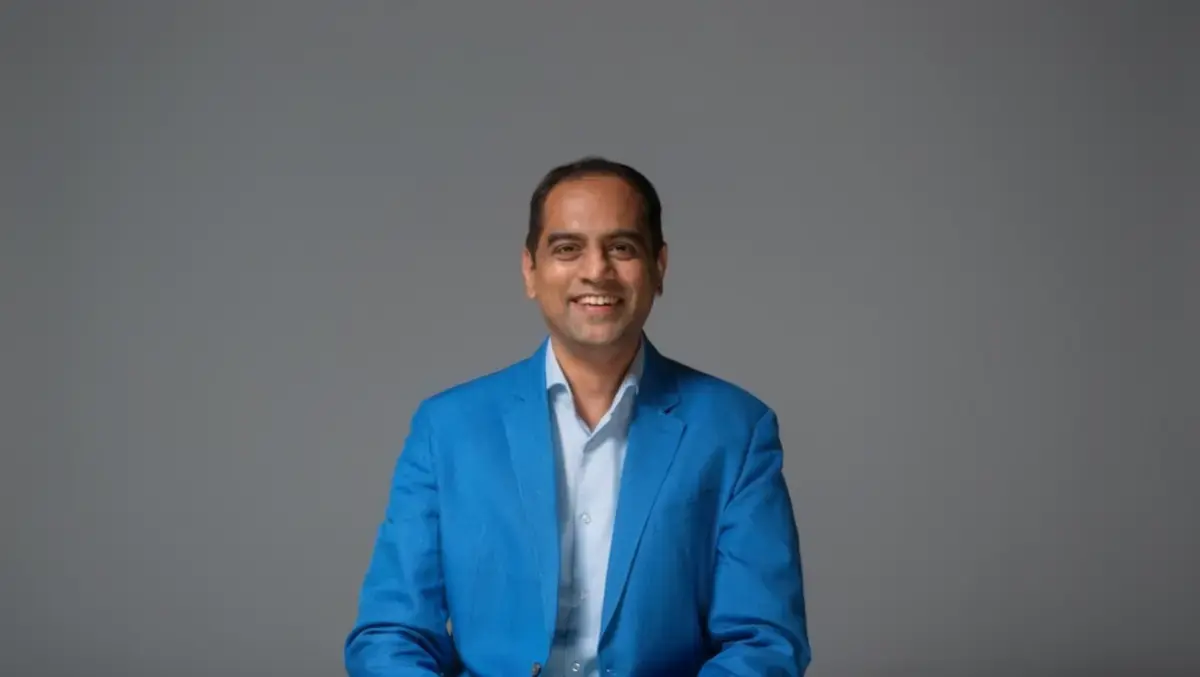
Nischint Sanghavi, Head of Digital Currencies, Asia Pacific, Visa, said consumer views of the market were changing.
"We're seeing a meaningful shift in how consumers across Asia Pacific think about stablecoins," Sanghavi said.
"Consumers are beginning to see how stablecoins could support the ways they already spend and move money, particularly through online purchases, travel and cross-border transfers. The opportunity now is to turn that interest into trusted and familiar payment experiences that work at scale."
The study suggests stablecoins are drawing attention as a practical payments tool, but it also shows how far the market remains from mainstream use. A large majority of respondents either have not used stablecoins at all or do not fully understand them, even as awareness spreads.
Visa is working with banks, regulated financial institutions and payment partners on stablecoin-related services. It linked the survey results to a broader effort to place stablecoins within existing payment systems rather than position them as a separate financial product.
Sanghavi said: "This research confirms what we've been building toward. Consumers want stablecoins to feel like a natural part of the payments they already trust, not a separate system. Our role is to connect emerging stablecoin technology with the secure, familiar payment experiences consumers rely on every day."