Automation stories
Workday customers can now access 60,000 OpenSesame courses inside its talent tools, cutting procurement friction as employers chase new skills.
Tighter e-invoicing and reporting rules are boosting demand for Vertex's tax software as it beefs up its senior team and AI push.
The multi-year overhaul should cut costs and improve issue resolution as Metsä Group consolidates global IT services under one partner.
The new release aims to cut investigation time for security teams, with Sumo Logic claiming its own SOC reduced MTTR by 64%.
Its software has cut building approval times by up to 70% as authorities seek faster, more transparent planning processes.
Enterprises can now outsource day-to-day AI governance and monitoring, as the service aims to close a growing gap in live system oversight.
Browser-based AI agents will face tighter enterprise oversight as Google moves to curb data leaks and unauthorised actions in Chrome.
As AI agents spread across enterprise systems, SailPoint is targeting a gap in security teams' visibility with a continuous identity controls system.
Banks and credit unions could cut manual data prep and gain faster customer insights as Armstrong Bank already uses the combined system.
The update aims to cut remediation costs and stop teams wasting time by re-analysing vulnerabilities without enough business context.
Startups with working AI products can win USD $25,000 and access to accountants as firms test automation for audit, tax and advisory work.
Smaller colleges could gain shared AI computing and training under a new NSF-backed programme that NVIDIA says will widen access nationwide.
Most UK commercial landlords are still only piloting AI, as integration and skills gaps, not cost, slow wider rollout across portfolios.
The fresh capital will fund more acquisitions as the Singapore-based group uses AI to help specialist firms serve more clients without cutting staff.
Firms embedding AI in daily workflows are saving hours each week and posting more than double the profit margins of rivals, Xero says.
The recognition should help clients moving AI and cloud projects into production, with deeper access to AWS support and tools.
Many firms are ramping up AI budgets while still lacking the metrics and governance to prove the technology is paying off.
Job insecurity is weighing on younger Australian workers, with just 18% of 18- to 26-year-olds saying their roles are safe from elimination.
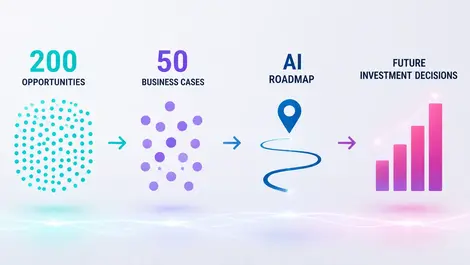
The 24-week review will give Solihull Council an evidence base for AI spending, with hundreds of possible use cases under scrutiny.
Fraud probes should move faster as the new tool links payment, email and vendor data for security and finance teams.