Climate change stories
Households could get better solar export prices under ACT's plan to widen electricity competition and let private firms build grid links.
Drier spring weather is now the most likely outcome for Northland as a strengthening El Niño starts to bite, the regional council says.
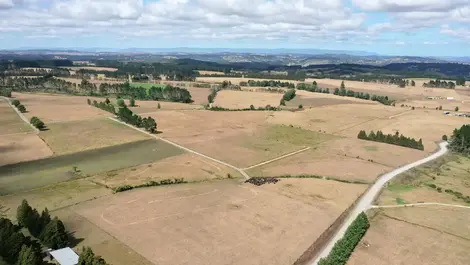
North Canterbury growers say the plan risks sacrificing productive farmland for a 230-home development with little consultation.
Chronic gridlock is forcing missed call-outs, long school runs and stalled businesses, prompting Queenstown officials to seek fixes.
Cashflow strain may force a redesign of Westport's flood defences, with the council warning it could struggle to fund the scheme.
With deepfakes and other harms already reaching users, academics say a dedicated office would help New Zealand regulate AI and join global talks.
Businesses and households should see more heating and cooling options as AHI Carrier pours funds into new branches, training and staff.
Fears are mounting that unchecked AI could unleash cyberattacks, market shocks and job losses long before any extinction event.
More than 30 people are still missing after the MV Matui sank in rough seas off Vanuatu, leaving rescuers scrambling for survivors.
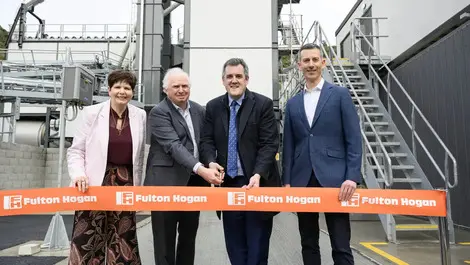
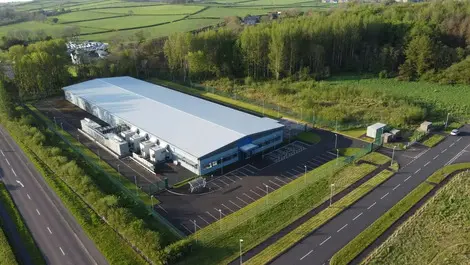
Capacity constraints in Wellington should ease as a 200-tonne-an-hour plant boosts asphalt supply for roads, ports and airports.
Potential investors are being sounded out as the solar developer gauges support for a share sale to fund more farms and customers.
Airports across the two regions must balance new capacity with live operations, labour shortages and cyber risks as spending accelerates.
Students are increasingly worried AI could hit graduate hiring, with 55% naming it their second-biggest concern worldwide.
Validation by the Science Based Targets initiative adds credibility as data-centre power demand and cooling costs face closer scrutiny from buyers.
Heat zoning could turn data centres into local heat suppliers, helping cut emissions and support nearby homes and businesses as demand rises.
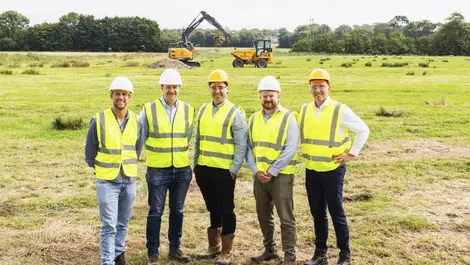
The 12MW scheme at Barryscourt will add almost 20,000 panels, as Voltclub pushes to expand renewable capacity and secure project finance.
The proposed AI hub in Bhubaneswar will gain industry backing and mentoring support as Blue Cloud commits INR 4 crore to the project.
Most UK businesses are feeling climate hits to sales, but only 5% have fully measured the financial damage, Capgemini says.
Australasia's rail lobby says the scheme could cut diesel use and ease supply chain strain as freight customers weigh a shift from road.
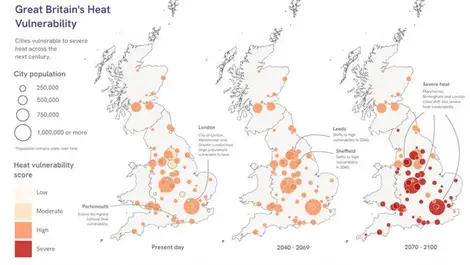
Cities across Great Britain face worsening heat risk, with Portsmouth already most exposed and all 71 projected to be highly vulnerable by 2040.