Cyber fraud stories
A Dunedin man was deceived out of more than NZD $525,000 over 18 years by an Auckland woman posing as an Australian police recruit.
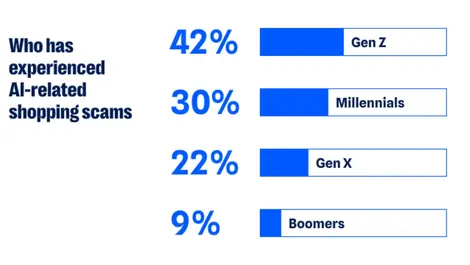
Holiday shoppers are increasingly exposed to harder-to-spot fraud, with 28% of consumers saying they have fallen for an AI-related scam in the past year.
A cross-sector sharing model could help firms spot scams earlier, as regulators and major payments groups back efforts to curb fraud across Asia Pacific.
Most consumers surveyed across six European markets would accept longer bank checks if that meant a lower chance of fraud, Fourthline found.
Fraud teams may be better able to link fake accounts as SEON adds more than 1,100 data points across identity, device and session checks.
Insurers in Australia and New Zealand may gain tools for fraud checks, customer communication and injury recovery after DXC picked three startups.
Hundreds of users could be exposed to fake banking portals built from a low-cost template, as researchers linked 2,200 suspect domains.
Demand is rising for auditable identity checks and document integrity as AI-generated content and tighter rules reshape online trust.
Scam losses are rising faster than human fraudsters alone can explain, with AI-enabled cases in the US already topping USD $900 million.
Fintech lenders and banks face rising losses as AI-generated statements and identity files slip into automated onboarding before manual checks.
Faster instant payments and AI-led commerce are exposing fraud and infrastructure gaps, forcing banks and merchants to bolster resilience.
Many Singapore office workers still worry about questioning bosses, leaving firms exposed as 35% of senior managers said they would comply with a cloned CEO voice before checking.
Traditional email filters are failing as AI-crafted scams now look legitimate enough to fool staff and drive up fraud losses.
Australian firms are being urged to tighten payment checks as email impersonation scams drive AUD $166.8 million in losses.
Finance teams are losing money to payment scams as generative AI makes fake invoices, emails and voice requests harder to spot.
Businesses risk sharper losses from phone scams unless staff know to verify suspicious calls using 159, as UK payment fraud hit GBP £1.28 billion.
Nearly every adult in Ireland was targeted by scam texts or phishing attempts last year, with more than one in five paying out and losing money.
Businesses are being warned that publicly exposed staff data can now fuel phishing and deepfake fraud without breaching internal systems.
Rising online fraud and a 2027 digital assets regime are pushing banks and fintechs to upgrade infrastructure as adoption accelerates.
Mobile-led fraud is forcing Indian banks to confront faster scams, bigger attempted transfers and a growing mule network.