Deepfakes stories
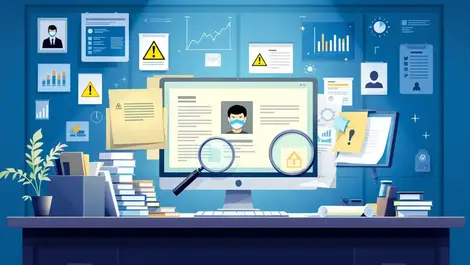
Employers can now flag fake applicants earlier as concern grows over deepfakes, stolen identities and forged documents in remote hiring.
Public agencies are expected to shift fraud checks earlier in 2027 as AI-fuelled scams, false claims and identity abuse become harder to spot.
Financial institutions are being pushed to tighten checks as deepfake attacks jumped 165% in 2026 and account takeovers became more common.
Brand campaigns risk weaker returns in Britain, as AI-labelled TikTok posts draw 21.2% less engagement than human-made content.
The framework shows where consumers can be harmed by AI, and who along the chain could stop it, as systems take on more autonomous tasks.
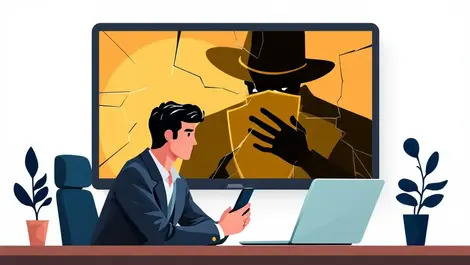
Fraudsters are using AI to impersonate staff and build fake companies, forcing businesses to tighten checks and oversight as scams become harder to spot.
Many workers still act on sensitive digital requests without checking the sender, raising the risk of AI-driven impersonation scams.
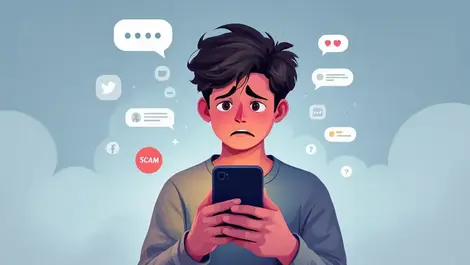
Almost half of UK Gen Z consumers have encountered AI deepfake scams, as fraudsters increasingly target them through messaging apps and social media.
Most respondents wanted online services to build protections into products, with 91% saying such safeguards against technology-facilitated sexual violence are important.
Businesses face growing disruption in 2027 as geopolitical tension, cyber threats, extreme weather and AI-driven misinformation converge, the report says.
Many UK firms are overlooking identity checks, with 60% of bosses saying simple and qualified e-signatures offer the same assurance.
Rising scam losses and slower fraud detection could leave Australian firms exposed as automated attacks spread through payments, identity and procurement.
Australian firms face rising losses from AI-enabled scams unless they tighten payment checks, identity controls and internal processes.
A survey of 400 decision-makers found 66% of Australian businesses faced at least one AI-related cyber threat in the past year.
Australian crypto and fintech executives are among 677 targets in a North Korean campaign that now uses deepfakes and fake business tools.
Businesses can now use a three-second selfie to recheck users in GBG Go, helping curb promo abuse and account takeover without restarting KYC.
Rising fraud and AI-powered impersonation are leaving banks under pressure to improve checks, as 69% of Britons doubt they could spot a deepfake fraudster.
Britons are more likely than peers abroad to spot phishing, but many still fail to flag suspicious messages, leaving scams to spread further.
The trade association says current laws may be too slow for AI-powered attacks that can identify weaknesses and launch cybercrime with less expertise.
The findings suggest companies are exposing email and payment systems to software agents faster than they can secure them, widening phishing risk.