Digital Sovereignty stories
Enterprises could gain tighter control over AI deployments as the new stack combines governance, security and on-premise data sovereignty.
Boards are being pressed to abandon periodic patching as AI models can now uncover and chain software flaws faster than human teams can respond.
Enterprises under pressure to control AI data and workloads now have an open alternative to single-cloud setups across cloud, on-premises and edge sites.
Public sector and critical infrastructure operators will gain more control over sensitive systems as Cisco broadens on-premises support across EMEA.
Asia-Pacific users can now test quantum workloads remotely on a 12-qubit photonic machine, billed by the second with no commitment.
Businesses in Canada can now test quantum algorithms on a 12-qubit photonic machine through OVHcloud’s pay-as-you-go platform.
Companies face tougher, more fragmented compliance as governments tie cyber rules to national security, AI use and digital sovereignty.
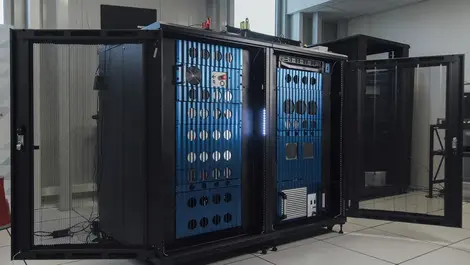
The deal could bring quantum workloads into existing data centres sooner, as Bull and Equal1 target hybrid systems for European users.
Boards are being pressed to oversee AI risks and pay-offs as nearly three-quarters are judged to have only limited expertise.
Many UK IT leaders say open source could reduce reliance on a single AI vendor, even as most lack robust governance for autonomous tools.
Only a third of Australian organisations have tested cyber recovery plans, leaving many exposed despite high confidence in detection and response.
The plan could deepen UK firms’ dependence on overseas AI providers unless ministers also spur wider enterprise adoption and infrastructure.
The hire signals Kinetic IT's push into sovereign digital services and AI as it seeks more government and critical infrastructure work.
Businesses and researchers can now trial photonic quantum hardware by the second, as OVHcloud widens its pay-as-you-go platform with a second machine.
The £500 million fund is meant to help British AI start-ups scale, as ministers seek growth and greater control over core technology.
The grant lets the London startup train an air-gapped coding model on UK infrastructure, bolstering supply for defence and other sensitive sectors.
The new fund is intended to boost growth while giving the UK more control over data, chips and AI systems used by public services.
Indian organisations get a local administrative data option as the Mumbai deployment keeps policies, logs and metadata inside the country.
Researchers and institutions could soon gain domestic access to large-scale AI computing as Ottawa backs a new supercomputer with CAD $890 million.
Stricter data and AI rules are pushing enterprises to demand more control over where workloads run and how they are governed.