Kubernetes stories
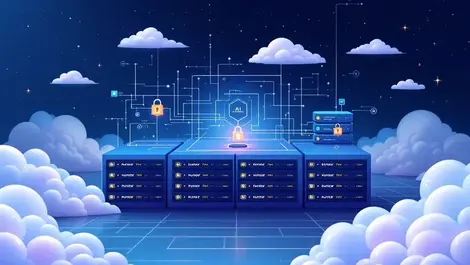
Cloud operators can now sell AI inference services that keep data and model weights encrypted while workloads run on Kubernetes.
New approval checks and AI-assisted troubleshooting aim to help enterprises run Kubernetes, virtual machines and AI workloads with tighter control.
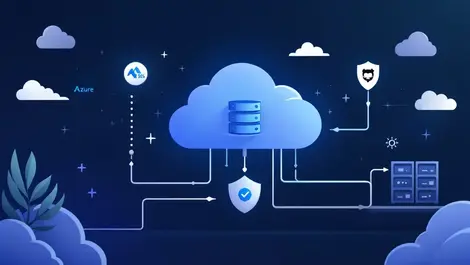
The update broadens backup, recovery and threat scanning for Azure, Microsoft 365 and GitHub, while linking data to Databricks for AI use.
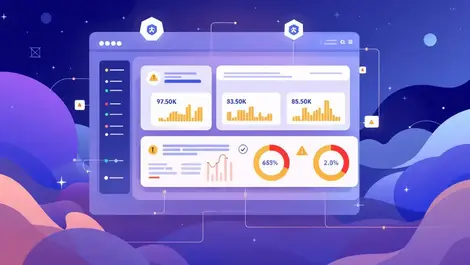
Production database teams can keep alerts running during server failures as PMM 3.10.0 adds three-node failover behind one address.
Monitoring teams can now keep alerts flowing during server failures as Percona's PMM 3.10.0 adds high-availability support in Kubernetes.
Google says the change will help engineers trace short-lived pods, spot cross-zone traffic and cut troubleshooting time without extra agents.
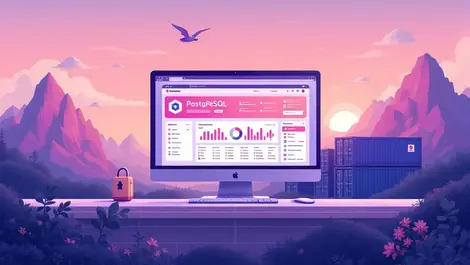
Administrators can now inspect self-managed PostgreSQL clusters in a browser, with Google's new read-only console for AlloyDB Omni aimed at Red Hat and container deployments.
Clusters running AI agents should start faster and hit fewer security identity bottlenecks as Google trims GKE Dataplane V2's label-based limits.
Cloud native teams are adopting AI fastest, but human review still dominates as cost, privacy and security concerns slow full autonomy.
The release gives enterprises a steadier base for running agentic AI workloads in production, with lower infrastructure strain and less downtime.
Operations teams facing Kubernetes outages may now get AI-generated fix code, as New Relic opens its incident-response agent to public preview.
Enterprises running mixed AI, container and VM workloads on Kubernetes may gain faster start-ups and simpler storage management from the new Portworx features.
The move puts autonomous AI agents and GPU clusters under open source scrutiny as NVIDIA seeks to shape the Kubernetes stack around them.
The move puts Agent Substrate, gVisor and OpenRL under neutral governance as companies race to secure and scale automated workloads.
Customers can now use natural language prompts to diagnose issues and assess upgrade risks on the updated hybrid cloud platform.
Enterprises can now run autonomous AI agents with tighter isolation and governance as Google Cloud expands controls across its own services and other environments.
The startup says more reliable data generation is keeping pre-training on schedule after throughput rose 4.07 times across its production clusters.
The result underscores how microsegmentation can stop an AI intruder from turning one compromised machine into wider network access.
Google says many AI coding skills fail unless teams test routing, security and repeatability in a clean sandbox, not on a laptop.
The update aims to help businesses run AI and traditional systems together as security concerns and operational complexity rise across hybrid estates.