

DOC launches satellite sensors trial in remote parks
Wed, 22nd Apr 2026
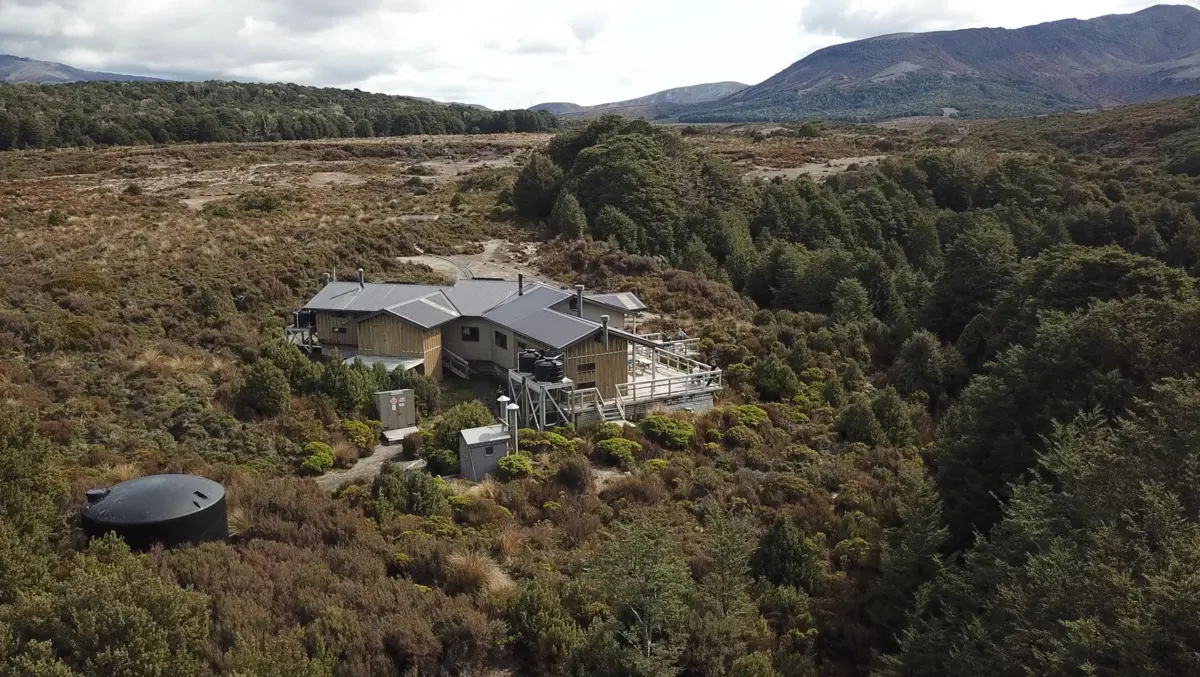
The Department of Conservation and One NZ have launched a pilot programme using satellite-enabled smart sensors at remote conservation sites in New Zealand. The trial covers backcountry huts, toilets, wastewater systems, pest traps and trail cameras in three national parks.
The Connected Conservation programme will install more than 50 sensors across more than 20 sites in Mt Aspiring, Fiordland and Tongariro National Parks. The devices send real-time information on facility use, wastewater levels and pest activity, allowing rangers to monitor sites without travelling for routine checks.
The pilot focuses on sites that are both heavily used and difficult to reach. DOC manages about 2,000 toilets nationwide, many in remote locations where inspections can require helicopter flights or long vehicle journeys.
Karl Beckert, DOC's Director of Monitoring and Insights, said the trial could change how the department manages those operations.
"Currently a lot of DOC's work relies on estimating when servicing and intervention is needed but, as usage and needs change, this has to change too," Beckert said.
Better visibility of site conditions could help staff plan maintenance based on need rather than fixed schedules, reducing unnecessary visits and allowing more targeted deployment of rangers and contractors.
DOC estimates that on some of its busiest tracks, the approach could save more than $1 million over six years while avoiding about 30 tonnes of CO2 emissions. Those estimates are tied to lower routine inspection activity, including fewer helicopter and vehicle trips.
Beckert said the programme could support wider conservation work beyond asset management.
"The main efficiencies would come from reducing the need for routine manual inspections, helicopter flights and vehicle travel, and enabling more targeted deployment of DOC staff. On some of our busiest tracks, this translates to more than $1 million in savings over a six-year period, together with around 30 tonnes of avoided CO2 emissions. Less time spent checking if things need fixing, emptying or resetting means more time we can spend doing the critical conservation mahi DOC is known for.
"This technology and the network being trialled could revolutionise how DOC cares for nature, with the potential to integrate remote monitoring into everything from predator control to species recovery. The toilet sensors are just the tip of the iceberg for what this could mean for our fight against the biodiversity crisis," he said.
Network reach
One NZ is providing connectivity for the pilot through its satellite service and other network links. This extends coverage into areas without conventional mobile signal, a limitation that has restricted the use of connected devices in many backcountry locations.
Kieran Byrne, Chief Technology Officer at One NZ, said that reach made the scheme possible.
"By combining our network with smart sensor technology, we're opening up entirely new ways of working in some of the country's most remote environments. With One NZ Satellite we have extended coverage into the 40% of New Zealand with no traditional signal; that's what makes programmes like this possible.
"Together, we're supporting smarter, tech-enabled conservation while also helping build a stronger connection between people and the natural environment. It's connectivity with purpose, and it's just the beginning of how our network can be used to support DOC's important work across the motu," Byrne said.
The first sensors were installed earlier in the rollout, with the initial phase focused on high-use sites that are hard to service. The pilot also includes smart traps and trail cameras that can be monitored remotely, potentially reducing the need for staff to physically inspect pest-control devices across large areas.
That could have implications for biodiversity monitoring as well as infrastructure management. The same network used to track toilet and hut servicing needs could, over time, support remote observation of species and predator activity in isolated habitats.
Beckert said a lack of connectivity in remote landscapes has been one of the main barriers to that approach.
"We're incredibly lucky to have these landscapes in New Zealand, but what makes them so special - their remoteness - also makes them challenging to manage. Until now, many of these sites have been completely out of cellphone service range. But with this new connectivity, that's changed and, in doing so, has introduced entirely new capability for how DOC can manage and protect these places," he said.
For One NZ, the project is part of a wider partnership with DOC focused on applying communications technology to conservation operations. Byrne said the pilot showed how that arrangement could work in the field.
"This is a really exciting step forward in how we're working alongside DOC as their National Conservation Partner - bringing innovation and industry-leading technology right to the frontline of conservation in a practical, on-the-ground way," Byrne said.