


Apple's MacBook Neo cuts back on extras rather than essentials, pairing a sharp screen with useful everyday speed in Apple's lowest-priced MacBook yet.
First look
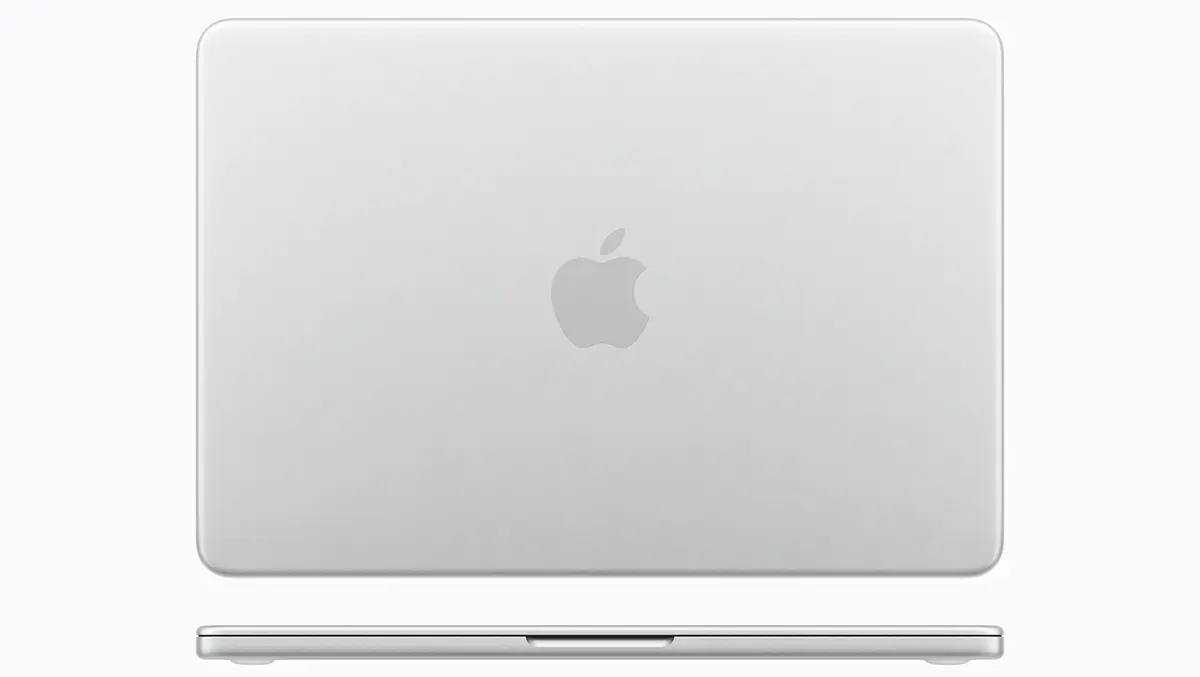
The MacBook Neo is Apple's new entry point into the Mac range. This model uses the A18 Pro chip with a 6-core CPU, 5-core GPU, 8GB of unified memory and a 256GB SSD. In Silver, it is the most restrained finish in a line-up that also includes Blush, Citrus and Indigo.
The aluminium chassis weighs 1.23kg and feels solid. The lid opens smoothly with one hand and the body has little flex. Despite its more accessible place in the range, the Neo does not feel cheap.
Its footprint is close to the 13-inch MacBook Air. The Neo is slightly thicker, though the difference is minor in daily use. Its bezels are also thicker, but there is no display notch. Some buyers may prefer that cleaner look.
Silver suits the design. It gives the laptop a more understated appearance than the brighter colour options.
Daily pace
The main talking point is the processor. Apple has used the A18 Pro from the iPhone range rather than an M-series Mac chip. On paper, that sounds like a compromise. In practice, it works better than expected.
For ordinary work, the Neo feels quick and responsive. Web browsing, office apps, streaming, messaging and light multitasking all run smoothly. macOS feels well matched to the hardware.
Single-core performance is strong. The Neo handles basic productivity tasks with little hesitation. Apps open quickly and background processes rarely get in the way.
The limits show under heavier workloads. The 8GB memory allocation is tight by modern standards. Open too many browser tabs or run demanding creative software, and the system leans more heavily on swap memory.
That does not make the Neo slow. It means it stops feeling effortless under sustained pressure.
Light photo editing is manageable. Short video exports are possible. Larger editing projects are better suited to a MacBook Air or MacBook Pro with more memory and storage.
Gaming remains limited. The A18 Pro GPU can handle casual titles and some Apple Arcade games, but this is not a gaming laptop. Thermal limits and memory constraints keep expectations grounded.
The fanless design is useful in quiet spaces. There is no noise during lectures, meetings or library sessions. The chassis gets warm under load, but not alarmingly so.
Screen quality
Apple has not heavily downgraded the display. The Neo uses a 13-inch Liquid Retina panel with a 2408 x 1506 resolution and 500 nits of quoted brightness.
The screen looks sharp and clean in everyday use. Text is crisp and colours appear balanced without looking oversaturated. Web pages, documents and streaming video all look good.
Brightness is respectable for a lower-cost machine. Indoors, the panel remains comfortable even in bright rooms. Outdoor use is workable, provided direct sunlight is avoided.
The limits are clear. This is not the wider colour gamut display found on higher-end MacBooks. Professionals working in colour-critical photography or video may notice the narrower coverage.
Blacks are not especially deep and reflections remain visible on the glossy finish. The display also lacks ProMotion and True Tone support.
For most buyers, the screen will be one of the Neo's stronger features.
Typing feel
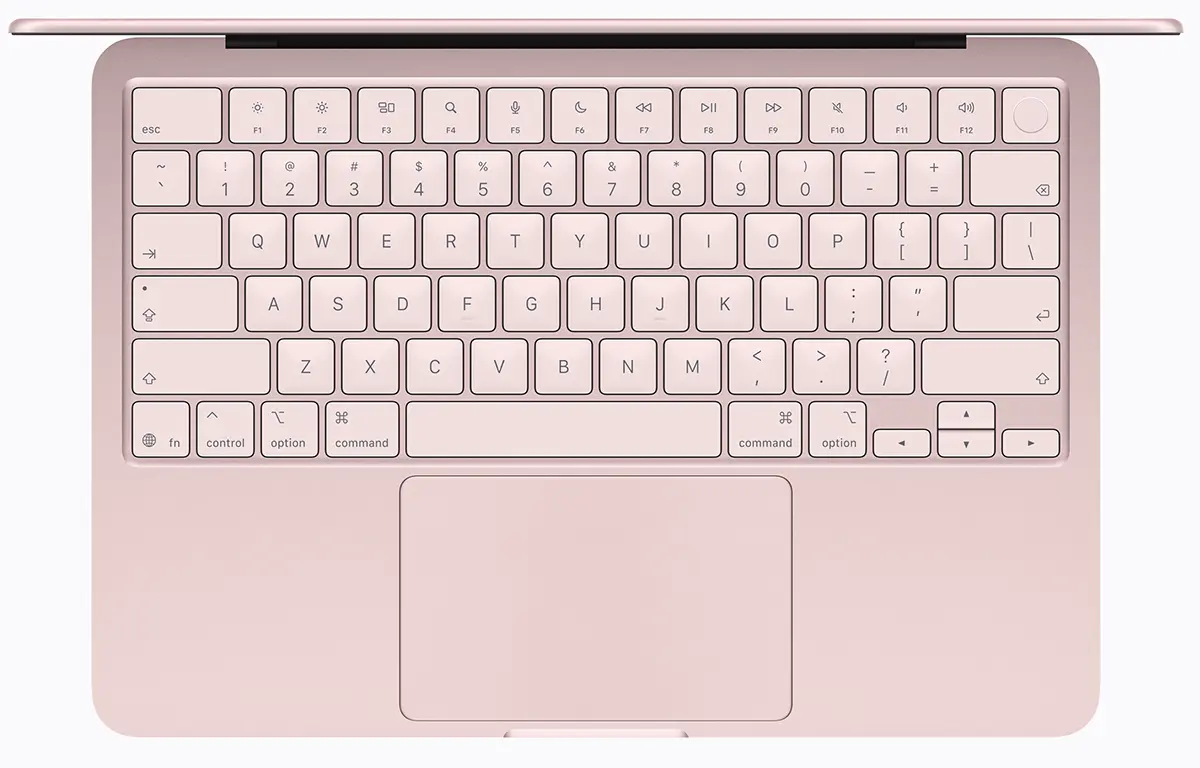
The keyboard feels close to Apple's recent MacBook keyboards. Key travel is shallow but precise. Typing feels quick and accurate after a short adjustment period.
Long writing sessions are comfortable. The layout is familiar and spacing is sensible.
One omission stands out. The keyboard has no backlight. It could become frustrating in dim rooms, on flights and during evening work sessions.
The base 256GB model also misses out on Touch ID. Unlocking the laptop requires a password rather than fingerprint authentication. The 512GB version restores Touch ID, making it the more appealing configuration.
The trackpad also differs from Apple's more expensive notebooks. Instead of the haptic Force Touch system used elsewhere, the Neo returns to a mechanical click.
It still works well. Gestures are smooth and the click response feels consistent across the surface. The trackpad is smaller than the Air's, but still ahead of many Windows rivals at this level.
Calls and sound
The Neo handles everyday communication tasks well. It includes a 1080p webcam and dual microphones with beamforming support.
Video quality is clear enough for meetings and online classes. Voice pickup stays clean in normal indoor environments.
The camera lacks some smarter software features found on pricier Macs, but it covers the basics competently.
Speaker quality is solid rather than exceptional. The dual-speaker setup sounds clearer than many low-cost laptops, though bass remains limited.
For casual music, streaming and video calls, the speakers are fine. Users wanting fuller sound will still prefer external speakers or headphones.
The 3.5mm headphone jack is welcome. Wired audio still matters for students and office users.
Battery life
Apple rates the Neo for up to 16 hours of video streaming. Real-world battery life is lower, though still respectable.
For mixed productivity work, the Neo can last through a standard working day at moderate brightness. Streaming, browsing and document editing place little strain on the A18 Pro chip.
Battery life falls faster when brightness rises or workloads become heavier. Video calls and sustained multitasking reduce endurance noticeably.
The included 20W charger feels modest. Charging speeds are adequate rather than fast. A larger USB-C charger can help slightly, but the Neo still lacks the convenience of faster charging systems found elsewhere.
There is also no MagSafe connector. Charging relies entirely on USB-C.
Port choices
Connectivity is where the cost-cutting becomes more obvious.
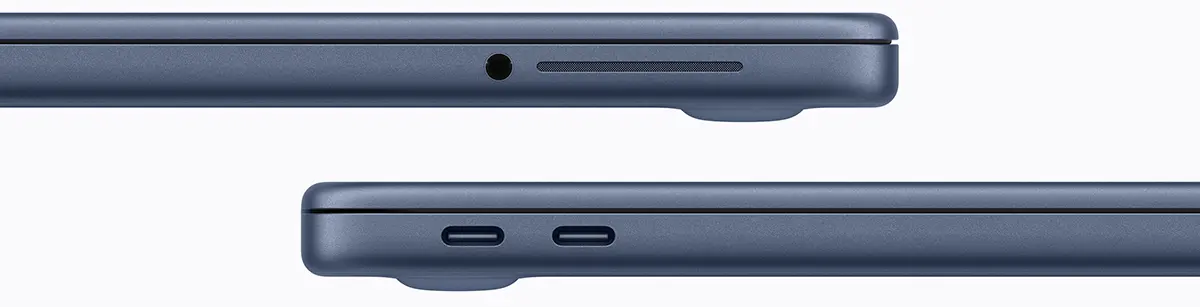
The Neo includes two USB-C ports and a headphone jack. One USB-C port supports faster 10Gbps speeds and external displays. The other is limited to slower USB 2 speeds.
Neither port is clearly labelled, which can become annoying in daily use.
All ports sit on the left-hand side. That can make desk setups feel slightly awkward.
There is no Thunderbolt support. External display support is limited to one monitor up to 4K at 60Hz.
Wireless connectivity includes Wi-Fi 6E and Bluetooth 5.3. That remains acceptable for a laptop at this level.
Buying sense
The MacBook Neo's case rests on its position as Apple's lowest-priced MacBook ever. It opens the MacBook line to buyers who may previously have considered only an iPad, Chromebook or entry-level Windows laptop.
That does not make every configuration equally convincing. This 256GB Silver model sits close to the minimum acceptable specification for modern laptop use. Storage can fill quickly with apps, photos, offline media and system files. The lack of Touch ID also weakens the everyday experience.
The 512GB model is the better-balanced version where available. It gives the laptop more practical room to grow and restores a feature that now feels standard on modern Macs.
The base model still has a clear audience. It suits students, families, writers and office users who want macOS, strong build quality and dependable battery life without moving into the higher MacBook tiers.
It is less suited to buyers who keep laptops for many years and expect their storage needs to grow. It is also not ideal for heavier creative work.
Final word
The 13-inch MacBook Neo gets the everyday basics right. Build quality is strong, the display is sharp and macOS runs smoothly on the A18 Pro chip.
It feels like a proper MacBook, not a stripped-back substitute.
The compromises are clear. The base model lacks storage flexibility, keyboard backlighting and Touch ID. Port selection is limited and charging speeds are unremarkable.
Buyers who need a laptop for heavy creative workloads should look elsewhere.
For students, office users and anyone wanting a straightforward Mac laptop at Apple's lowest MacBook price point, the Neo makes a convincing case. The Silver 256GB version is usable and polished, but the 512GB model is the better-balanced option in the range.